By Brittany Yearwood, RN, NP Intern
Willow Oak Community Behavioral Health Center
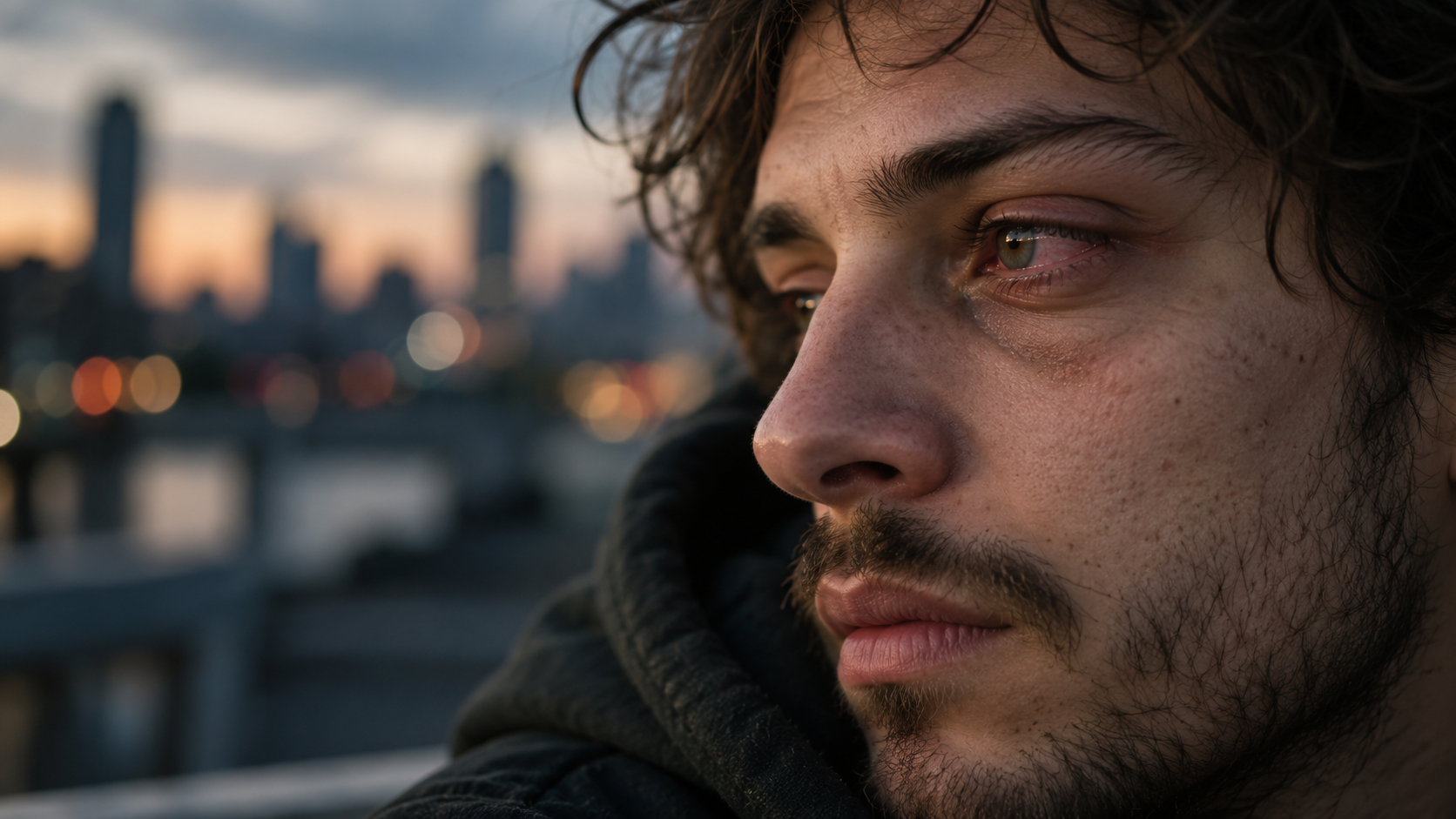
Some people walk past the signs of addiction every day without noticing. I notice. I see the people behind the struggle.
As a nurse, I understand that what we see on the outside doesn’t always tell us what’s happening on the inside.
Sometimes, a person struggling with substance use is visibly unwell. Other times, they’re the person sitting next to you, working beside you, or living just down the street.
They may be someone’s mother, father, son, daughter, friend, or coworker.
They may be doing everything they can to appear okay.
And sometimes, the people around them don’t recognize the warning signs until something devastating happens.
This October, I want us to talk about fentanyl, the communities being affected, and something I believe deserves just as much attention as the statistics: the people we overlook.
Zombie Land: What’s Really Happening in Kensington, Pennsylvania?
If you’ve spent time on social media, you may have seen videos of Kensington, a neighborhood in Philadelphia, Pennsylvania, that has become widely associated with the nation’s opioid crisis.
The videos can be difficult to watch.
People appear bent over, barely able to stand, or struggling to remain conscious. Some are living on sidewalks or dealing with serious health complications.
The neighborhood has been referred to online as “Zombie Land,” a disturbing nickname inspired by the appearance of people visibly affected by drugs.
But I want us to think carefully about that name.
These are not zombies. They are human beings.
They are people who have names, histories, families, and lives that matter.
Many are dealing with substance use disorders, and some may also be experiencing homelessness, untreated medical conditions, mental health challenges, or trauma.
Part of what has made Kensington’s crisis especially dangerous is the presence of fentanyl mixed with other substances, including xylazine, sometimes called “tranq.”
Xylazine is a powerful non-opioid sedative that can cause profound sedation and serious wounds. When combined with fentanyl, it creates additional medical dangers.
Research examining 260 samples of street opioids collected in Kensington between March 2024 and March 2025 detected fentanyl in 98% and xylazine in 65%.
Behind every statistic is a person whose life could change—or end—because of what’s in the drug supply.
What we see in Kensington is a warning. But it should also be a reminder that people experiencing addiction need medical care, treatment, support, and compassion.
Fentanyl Doesn’t Stop at Pennsylvania. It’s Here in Georgia.
It’s easy to watch videos from Philadelphia and think that the crisis is happening somewhere far away.
But fentanyl is affecting families here in metro Atlanta, too.
According to the DeKalb County Medical Examiner’s Office, there were 203 drug-related deaths investigated in its 2024 report. Of those deaths, 114 were opioid-related, and fentanyl contributed to 107.
That’s 107 lives lost in just one metro Atlanta county in one year.
And that’s only part of the picture.
The Georgia Department of Public Health reported that fentanyl-involved overdose deaths statewide increased 308% between 2019 and 2022. Although overdose trends have improved in some areas since their earlier peaks, fentanyl remains a serious threat.
These numbers represent real people.
They represent families receiving phone calls they never wanted, children growing up without parents, and loved ones wondering whether they could have recognized the danger sooner.
This isn’t just Philadelphia’s problem.
It’s a Georgia problem. It’s a community problem. And it’s something we cannot afford to ignore.
Why Is Fentanyl So Dangerous?
Fentanyl is a synthetic opioid that is extremely powerful.
When prescribed and administered appropriately by medical professionals, it has legitimate uses in pain management. But illegally manufactured fentanyl presents a very different danger.
It can be mixed into heroin, cocaine, methamphetamine, and counterfeit prescription pills.
Some people who consume these substances don’t even realize fentanyl is present.
That means someone may believe they’re taking one drug while unknowingly consuming a potentially lethal opioid.
Fentanyl can slow or stop breathing. An overdose can happen quickly, and without immediate intervention, it can be fatal.
My message is simple: don’t experiment with street drugs or pills that weren’t prescribed to you and dispensed by a legitimate pharmacy.
You cannot reliably identify fentanyl by looking at, smelling, or tasting a substance.
No momentary high is worth losing your life.
But if you’re already struggling with fentanyl or another substance, I want you to hear something equally important:
You are not beyond help.
I See the Signs Others Sometimes Miss
One thing I’ve learned through nursing is the importance of paying attention.
Not just to obvious symptoms, but to changes in a person’s behavior, appearance, energy, and overall well-being.
Substance use concerns don’t always announce themselves.
Sometimes, they show up as someone becoming increasingly withdrawn. A person who used to be dependable begins missing responsibilities. Someone’s mood changes dramatically, or they seem unusually sleepy, confused, or disconnected.
Other possible warning signs include:
- Changes in sleep patterns or personal hygiene.
- Unexplained financial difficulties.
- Increased secrecy or withdrawal from family and friends.
- Frequent drowsiness or difficulty staying alert.
- Changes in appetite, weight, or overall health.
- Repeated attempts to stop using substances without success.
None of these signs alone proves someone has a substance use disorder. Many can have other medical or emotional causes.
But they may be reasons to pay closer attention, ask questions, and offer support.
When I look at someone who may be struggling, I don’t want to reduce that person to what they’re going through.
I want to see the human being.
I want to consider what they may need, what they may be afraid to say, and whether someone has taken the time to ask how they’re really doing.
Too often, society notices addiction only when it becomes impossible to ignore.
What if we started paying attention sooner?
Recognizing an Overdose Could Save Someone’s Life
There is an important difference between noticing possible signs of substance use and recognizing a medical emergency.
An opioid overdose requires immediate action.
Warning signs may include:
- A person who cannot be awakened.
- Very slow, shallow, or stopped breathing.
- Unusual choking, gurgling, or snoring sounds while unresponsive.
- Blue, gray, or otherwise discolored lips or fingernails.
- Very small, pinpoint pupils.
If you suspect an overdose, call 911 immediately and administer naloxone (Narcan) if available. Naloxone can reverse the opioid effects of fentanyl and restore breathing.
Follow the medication instructions, provide CPR or rescue breathing as directed by emergency responders if needed, and stay with the person until help arrives.
Even if they wake up after receiving naloxone, emergency medical attention is still necessary.
You don’t need to be a healthcare professional to recognize that someone is in danger.
Sometimes, being willing to stop and help makes all the difference.
If You’re Struggling, Recovery Is Still Possible
I understand that addiction is more complicated than telling someone to stop.
Substance use disorders can affect a person’s physical health, mental health, relationships, finances, and daily life.
And when someone develops opioid dependence, withdrawal and cravings can make stopping incredibly difficult.
That’s why professional support matters.
Effective treatment for opioid use disorder may include medications such as buprenorphine or methadone, counseling, behavioral health care, and ongoing recovery support.
There is no shame in needing treatment.
There is no shame in admitting that something has become difficult to control.
And there is no shame in asking for help before things get worse.
If you have found yourself using fentanyl, or if you’re worried about someone you love, please don’t assume it’s too late.
You deserve the opportunity to recover, rebuild, and experience life beyond addiction.
How Willow Oak Can Help Our Georgia Community
At Willow Oak Community Behavioral Health Center, our mission is to provide compassionate, individualized care for people navigating mental health concerns, behavioral health challenges, and substance use disorders.
Located in Newnan, Georgia, Willow Oak serves individuals and families throughout Coweta County, Fayette County, Fulton County, Clayton County, and other surrounding communities.
Our outpatient services include:
- Substance use treatment: Structured support for individuals experiencing drug or alcohol-related challenges.
- Individual and group therapy: Supportive environments to develop coping skills, address emotional challenges, and work toward recovery.
- Behavioral health assessments: Evaluations to help determine appropriate treatment needs.
- Psychiatric services and medication management: Evaluation and ongoing care for behavioral health conditions.
- Case management: Assistance connecting with community resources and other essential support.
Treatment should reflect the needs of the individual. Our team can help people explore appropriate services and determine whether additional or specialized care may be needed.
Free Recovery and Mental Health Resources
If you’re not ready to schedule an appointment, you can still take a first step.
Willow Oak offers a free online resource library with information about addiction, recovery, mental health, and community support.
You can also access a free, anonymous three-minute mental health check-in.
These resources are available online, whether you live near our office or somewhere else.
Explore our free resources: https://willowoakgeorgia.com/resources/
Visit our website: https://willowoakgeorgia.com/
A Message From Brittany: Please Don’t Look Away
When you see someone struggling, remember that what you’re witnessing may be only one chapter of their life.
You don’t know everything they’ve experienced.
You don’t know what brought them to this moment.
And you don’t know what kind of strength it may take for them to ask for help.
Some people see addiction and turn away.
I want us to see the person.
I want families to notice the warning signs before an emergency happens. I want people who have never touched fentanyl to understand why they should stay away from it. And I want anyone who is already struggling to know that seeking treatment can be the beginning of something different.
The images coming out of Kensington should concern us. But they should also motivate us to do more than watch.
They should remind us to educate, support, intervene when necessary, and treat people with dignity.
Because no one deserves to become invisible just because they’re struggling.
And if you’re reading this while wondering whether you can find your way back from addiction, please know this:
Your life is worth fighting for. You deserve to be seen. And help is available.
— Brittany Yearwood, RN, NP Intern
Ready to Take the First Step?
If you or someone you love is struggling with substance use, Willow Oak Community Behavioral Health Center is here to help you explore your options.
Visit Willow Oak:
55 Jefferson Parkway, Suite 55B
Newnan, GA 30263
Call: 770-683-6946
Website: https://willowoakgeorgia.com/
Walk-in hours: Wednesdays, 9:00 AM–2:00 PM.
If you’re outside our area, visit our free online recovery resources.
For urgent behavioral health support in Georgia, call 1-800-715-4225, the Georgia Crisis & Access Line, available 24/7. For a suspected overdose or other immediate medical emergency, call 911.
Ready to talk with someone?
Willow Oak offers counseling, psychiatric care, and medication management for children (7+), teens, adults, and families. Walk-ins are welcome Wednesdays, 9:00am to 2:00pm.
This article is for general information and is not medical advice. Please talk with a qualified professional about your situation. If you are in crisis, call or text 988, call the Georgia Crisis & Access Line at 1-800-715-4225, or call 911.